What Most Drivers Get Wrong About Budgeting for the Road
- Written by: The Times
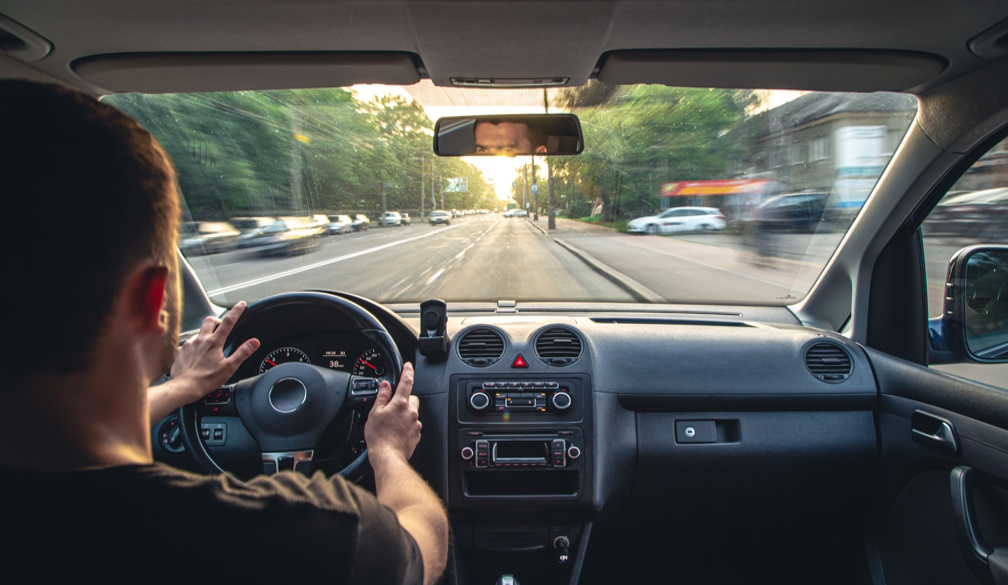
Image by pvproductions on Freepik
Most people think they have a pretty good handle on their driving costs — fuel, maybe insurance, the occasional trip to the mechanic. But ask anyone to list their actual road expenses for the past month, and you’ll likely get a shrug. The truth is, road costs are one of the most overlooked parts of everyday budgeting. And the gap between what we think we’re spending and what’s actually leaving our accounts is often wider than we expect.
One of the simplest ways to start seeing those gaps more clearly is to do a fuel card comparison. For anyone regularly on the road — whether it’s for work, errands, or school runs — the right card can help track spending, unlock discounts, and build habits that stretch your fuel budget further.
Where Most Budgets Fall Short
It’s easy to assume the cost of owning a car is mostly fixed. You pay for insurance, maybe a monthly loan, and fill up the tank when it gets low. That’s it, right?
Not quite.
Here’s what drivers commonly miss:
- Fuel price fluctuations – Weekly changes can quickly add up.
- Routine maintenance – Oil changes, filters, brake pads — they’re predictable but often unplanned for.
- Unexpected costs – Tyre blowouts, parking fines, tolls, and roadside emergencies.
- Micro-spends – Snacks, car washes, and “just this once” expenses at the servo.
None of these things feel big in the moment. But stack them up over a few months, and they can easily blow out a well-planned budget.
You Track Groceries — Why Not Fuel?
Think about how carefully people track household bills or groceries. But fuel? Most people just pay and go. That’s where the trouble starts.
Tracking your fuel spend is step one. Knowing where and how you fill up — and if there’s a smarter way — is step two.
Many drivers are now looking at tools and cards that simplify this. A fuel card, especially one matched to your driving habits, can:
- Help you monitor weekly and monthly costs
- Offer fixed-price fuel at certain locations
- Reduce admin time if you're logging work-related kilometres
The key is doing a fuel card comparison that suits you. Some offer better deals in urban areas; others are ideal for long-distance drivers or tradies on the move. The right fit can make a real difference.
The Myth of the “Cheap Car”
You’ve probably heard someone boast about their “cheap to run” car. And sure, some models sip fuel and rarely need servicing. But even budget-friendly vehicles rack up costs over time — especially if you’re not paying attention.
Common hidden costs include:
- Servicing – Even small cars need regular check-ups.
- Depreciation – You may not notice this now, but it impacts resale.
- Add-ons – Roof racks, dash cams, tinting — it all adds up.
Owning a car is like owning a small business. If you’re not tracking the income and expenses, you won’t know if it’s running well — or running you dry.
Practical Ways to Get Ahead
Improving your road budget doesn’t require spreadsheets or complex tools. Just a few smart habits can make a big difference:
1. Set a Monthly Driving Budget
Include fuel, maintenance, parking, and a small buffer for the unexpected. Don’t forget subscriptions like roadside assistance or e-toll passes.
2. Log Every Fill-Up
Use your phone notes or a fuel tracking app. Over time, patterns will emerge — like how often you fill up or which stations are consistently pricier.
3. Review Your Fuel Options
Doing a quick fuel card comparison (yes, it’s worth repeating) could uncover better rates or simpler ways to manage spend — especially if you’re managing multiple vehicles.
4. Build a Buffer
Even just $10 a week into a “car costs” fund can help with surprise repairs or rego renewals. You won’t miss it now, but future-you will thank you.
5. Stay on Top of Maintenance
Don’t skip servicing to save money — it’ll cost more later. Prevention is nearly always cheaper than repair.
Final Word
You don’t have to be a spreadsheet master to budget better for the road. You just need a clearer picture of where the money goes — and a system that works for your lifestyle.
Small tweaks in awareness and behaviour — like tracking expenses, comparing fuel cards, or planning for irregular costs — can lead to major savings over time. And that means more freedom to drive without worrying what’s leaking out of your wallet every time you turn the key.