How Digital Technology Is Changing the Way Smile Makeovers Are Planned
Not that long ago, planning cosmetic dental work relied on putty impressions, flat x-rays and a fair bit of imagination. Patients signed up for veneers or aligners based on a verbal description and maybe a before-and-after photo of someone else's teeth.
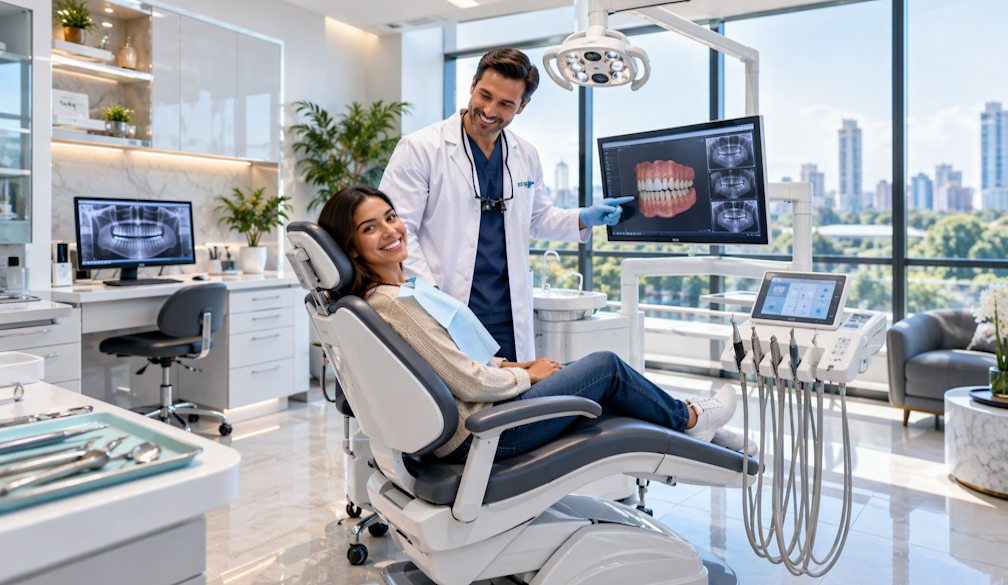
That's changing. More dental clinics across Australia now use digital smile design (DSD) to plan treatment on screen before any work begins. For patients, it means a clearer idea of what to expect. For dentists, it means a more accurate blueprint to work from.
Here's a closer look at what the technology involves, where it fits, and what to weigh up if you're considering it.
From Plaster Moulds to 3D Models
Traditional smile planning usually involved taking physical moulds of the teeth, creating a wax model by hand and comparing it against a few photos. It worked, but it left room for small inaccuracies, and patients often struggled to picture the end result.
Digital smile design replaces much of that with software. An intraoral scanner captures the shape of the teeth and gums in fine detail, and photos or short videos of the face show how the teeth sit with the lips, the smile line and overall facial proportions. Specialised software brings all of this together, so the dentist can assess things like tooth width and length, symmetry and gum height, then design a proposed smile digitally.
What the Process Usually Looks Like
Every clinic does things slightly differently, but most DSD journeys follow a similar path:
-
Records and scans. Photos, video, an intraoral scan and any x-rays needed to check oral health.
-
Digital analysis. The dentist reviews tooth proportions, bite, gum line and facial features.
-
Design and preview. A 3D model or simulation shows the proposed outcome. Some clinics also offer a temporary mock-up placed over the teeth so patients can see and feel the shape in person.
-
Feedback and refinement. The patient and dentist adjust the design until it feels right.
-
Treatment. The final plan guides the actual procedures, often with CAD/CAM technology used to fabricate restorations.
Which Treatments It's Used For
DSD is a planning tool rather than a treatment in itself, so it can support a range of procedures, including:
- Cosmetic dentistry such as porcelain veneers, composite bonding and whitening
- Orthodontics, including clear aligners and braces for crowding or spacing
- Restorative dentistry such as crowns, bridges and implants
- Gum contouring to create a more even gum line
It's particularly useful when a smile makeover combines several of these, as the digital plan helps keep every step working towards the same result.
Why Patients and Dentists Are Embracing It
- Seeing before committing. A visual preview makes it easier to judge whether a proposed change suits your face, and to speak up before any tooth structure is altered.
- More precise planning. Detailed scans give a fuller picture than a standard examination alone, which helps reduce guesswork.
- Fewer messy impressions. Digital scans often replace traditional moulds, which many patients find more comfortable.
- Smoother teamwork. Digital records can be shared quickly with dental labs and specialists, which can help reduce back-and-forth and delays.
- Better conversations. Being able to point at a screen and say "a little shorter here" makes it far easier to communicate preferences.
The Limitations Worth Knowing
DSD is a helpful tool, but it isn't a shortcut. A few things to keep in mind:
- Oral health comes first. Gum disease, decay or bone loss generally need to be treated before cosmetic work goes ahead, regardless of how good the digital plan looks.
- A preview isn't a promise. Simulations are a close guide, but natural factors like healing, tooth colour and gum response can lead to small differences in the final result.
- Skill still matters. Software supports the clinician's judgement rather than replacing it, so experience with both the technology and the treatment itself counts.
- Costs vary. Fees depend on the treatments involved and the clinic. It's worth asking for a written estimate and discussing payment options at your consultation.
Questions to Ask Before You Start
If you're considering a digitally planned smile makeover, these questions can help you get a clear picture:
- Will I see a 3D simulation, a physical mock-up, or both?
- Which treatments are included in the plan, and in what order?
- Do I need any preliminary treatment before cosmetic work begins?
- How closely is the final result likely to match the preview?
- What's the estimated cost, and what happens if adjustments are needed later?
- How long will the whole process take from start to finish?
The Bottom Line
Digital smile design has made cosmetic and restorative planning far more visual and collaborative. Instead of agreeing to treatment based on a description, patients can now see a proposed outcome, ask questions and request changes before anything is done.
It won't suit every situation, and it works best alongside a thorough check-up and an honest conversation about expectations. But for many people thinking about a smile makeover, it's a reassuring way to start.