AI Garden Design: How Technology Can Help Australians Create Better Outdoor Spaces
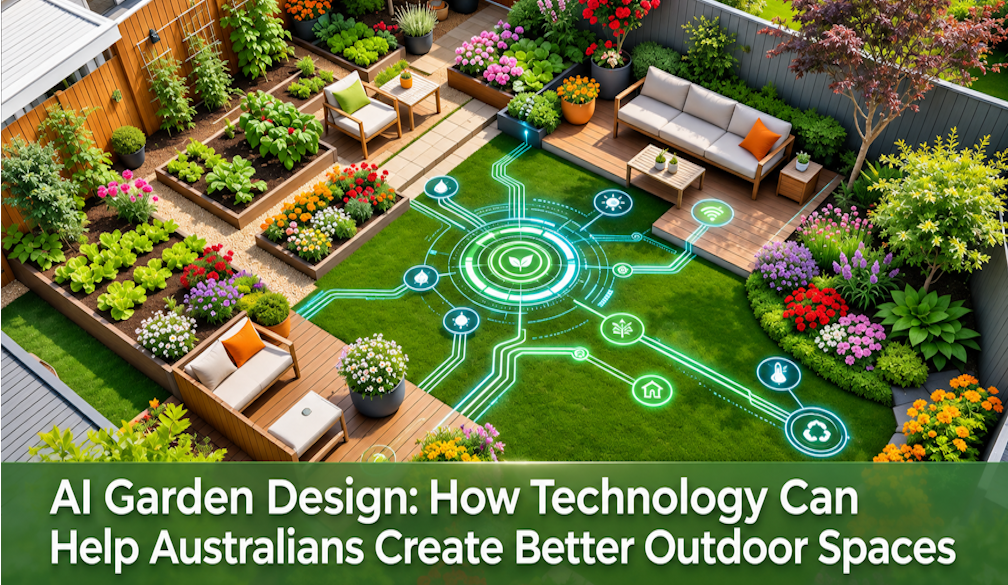
A well-designed garden can make a home more enjoyable, provide a place to relax, and create a stronger connection with the outdoors. But planning one is not always straightforward. Between choosing suitable plants, comparing landscaping materials, managing water use, and working within a household budget, even a modest garden makeover can involve more decisions than expected.
Artificial intelligence is introducing a new way to approach these challenges. With AI garden design tools, homeowners can use photographs of their existing outdoor spaces to explore different layouts, planting arrangements, and garden styles before committing to physical changes.
For Australians, this technology presents an interesting opportunity. Gardens across the country face very different conditions, from hot and dry summers to humid coastal environments and cooler southern climates. While AI cannot replace local horticultural knowledge, it can help people visualise ideas, compare alternatives, and make better-informed decisions about how to use their outdoor spaces.
Why Garden Planning Can Be More Complicated Than It Looks
Many garden renovations begin with a simple idea: replace an untidy lawn, introduce more greenery, create a comfortable seating area, or improve the appearance of a home's entrance.
The difficulty comes when those individual ideas need to work together.
A new patio may reduce the area available for planting. A row of attractive trees might eventually shade a vegetable garden. A decorative gravel path could look appealing but prove unsuitable for a household that needs an accessible walkway. Even choosing plants becomes complicated when sunlight, soil conditions, maintenance requirements, and water availability must all be considered.
These decisions can be particularly challenging for people without a background in landscape design. Inspiration photographs provide useful examples, but they rarely show exactly how a proposed design would look within an existing property.
This is where AI garden design can help. By generating visual concepts from photographs or written descriptions, AI tools make it easier to explore possibilities before purchasing materials or arranging construction.
Rather than starting with a blank page, homeowners can begin with the garden they already have and consider what could realistically change.
How AI Garden Design Works
AI garden design tools use artificial intelligence to generate or modify visual representations of outdoor spaces. Depending on the platform, users may be able to create a garden concept from a text prompt, experiment with different landscape styles, or upload an existing photograph and generate a redesigned version.
The photograph-based approach is especially useful for homeowners who want to renovate rather than start from scratch.
For example, someone with a basic backyard could explore a contemporary garden with clean paving lines and structured planting. Another concept might introduce a relaxed, naturalistic appearance with curved paths, layered greenery, and a small seating area.
The same space can be visualised in several ways, helping the homeowner compare the overall effect without having to implement each option physically.
A tool such as Landscape Design AI allows users to explore garden redesign ideas from photographs, providing a visual starting point for planning an outdoor transformation.
The process is relatively straightforward: upload an image, choose a suitable design style or describe the intended changes, and generate a new concept. Users can then review the result and decide which ideas deserve further consideration.
However, the output should be treated as a visual proposal, not a technical landscape plan. AI-generated images do not automatically account for precise property measurements, underground utilities, drainage, structural requirements, or the long-term growth of plants.
Making the Most of Australian Gardens and Outdoor Living
Outdoor spaces play different roles across Australian households. Some families need room for children and pets, while others want a quiet courtyard, a productive vegetable garden, or an area for entertaining friends.
Local conditions also influence what works.
In parts of Australia that experience hot summers and limited rainfall, homeowners may prioritise shade, drought-tolerant planting, and efficient irrigation. Coastal gardens may need plants that tolerate wind, salt exposure, and sandy soils. Cooler regions can support a different range of plants and seasonal garden arrangements.
AI garden design can help people visualise how different styles might suit their properties. A homeowner might compare a gravel-based garden with structured planting against a greener design featuring lawn, trees, and shaded seating.
The important step is to connect those visual ideas with local conditions.
A garden that looks attractive in a generated image may include plants unsuitable for the property's climate. Similarly, a large lawn might appear appealing but require more water and maintenance than a household wants to provide.
For this reason, AI works best as the beginning of the planning process. Once a preferred concept emerges, homeowners should research local plant recommendations, consider seasonal conditions, and seek professional advice where necessary.
Exploring Different Garden Styles Before Spending Money
One advantage of AI garden design is the ability to compare styles using the same starting photograph.
This can be useful when homeowners know they want a change but have not decided what the finished garden should look like.
Modern and Minimalist Gardens
Modern gardens often feature clear geometry, restrained colour palettes, defined paths, and carefully selected plants. Materials such as concrete, stone, timber, and gravel can help establish a contemporary appearance.
Minimalist gardens take this approach further by reducing unnecessary decoration and focusing on a smaller number of carefully arranged elements.
These styles may appeal to homeowners who prefer a clean, organised outdoor space. However, maintenance requirements still depend on the materials, plants, and irrigation systems selected.
Naturalistic and Cottage Gardens
Naturalistic gardens use layered vegetation, varied textures, and less rigid planting arrangements to create a relaxed atmosphere. Cottage-inspired designs often feature informal paths, flowering plants, and a softer relationship between planting and built features.
AI-generated concepts can help homeowners explore these styles before deciding how much planting density, colour, and visual complexity they prefer.
The final plant selection should still reflect the local environment rather than simply reproducing the species shown in an image.
Mediterranean and Drought-Conscious Gardens
Mediterranean-inspired gardens often combine stone, gravel, warm colours, and plants adapted to sunny conditions. They can provide inspiration for gardens where water efficiency is an important consideration.
Nevertheless, a Mediterranean appearance does not automatically make a garden water-efficient. Actual water demand depends on plant selection, soil, irrigation, establishment requirements, and local weather.
AI visualisation can help compare different material and planting combinations, while practical research determines which approach is most suitable for the property.
Small Gardens Can Benefit From Better Visual Planning
Not every home has a large backyard. Many Australian properties feature narrow side yards, compact courtyards, small front gardens, or limited outdoor areas attached to townhouses.
In these spaces, a few design decisions can have a significant effect on usability.
A narrow side yard, for instance, may need a clear pathway, a slim planting border, and enough room to access outdoor equipment. Filling every available corner with plants and decorative objects could make the area difficult to navigate.
A small courtyard may benefit from one comfortable seating area, a consistent paving material, and carefully positioned greenery rather than several competing features.
An AI garden design tool can help homeowners compare these arrangements visually. They might explore whether a straight path creates a stronger sense of order or whether a softer, curved layout better suits the space.
However, generated images can distort proportions. A patio may appear larger than the actual available area, or furniture may be positioned too close to a boundary.
Before implementing any design, take accurate measurements and verify that pathways, entrances, and other important access points remain practical.
Can AI Help Homeowners Make More Cost-Conscious Decisions?
Garden renovations can range from inexpensive planting improvements to substantial projects involving excavation, paving, retaining walls, drainage, and outdoor structures.
When budgets are limited, it is important to understand which changes will make the greatest difference.
AI garden design can support this process by helping homeowners compare different levels of renovation.
One concept might retain the existing lawn and introduce a few planting beds. A second could replace a small section of lawn with a paved seating area. A more extensive option might add screening, new paths, and a complete planting redesign.
Comparing these alternatives can help clarify priorities before requesting quotations.
Homeowners may discover that they prefer a simpler design that retains useful existing features rather than undertaking a complete makeover. Alternatively, they may identify one particular improvement, such as a better-defined entrance path, that deserves priority.
The limitation is that an AI-generated image cannot reliably establish the cost of construction. Local labour rates, material availability, site access, ground conditions, and drainage requirements all influence the final price.
A practical approach is to separate a preferred visual concept into individual tasks, estimate the cost of each, and obtain professional quotations where appropriate. This turns an attractive image into a more useful starting point for household budgeting.
Water Efficiency and Plant Selection Still Matter
Water management deserves particular attention when planning gardens in Australia.
The amount of water a garden needs depends on local rainfall, temperature, soil, plant species, exposure, and the stage of plant establishment. A design that looks lush in a photograph may require considerable irrigation if its plant choices are poorly matched to the environment.
AI garden design can help visualise alternatives that use different proportions of lawn, paving, gravel, trees, and planting beds. It can also make it easier to compare a densely planted garden with a more restrained arrangement.
But visual appearance alone cannot establish water efficiency.
Homeowners should investigate locally appropriate plants, improve soil where necessary, use mulch where suitable, and consider efficient irrigation methods. Rainwater collection may also be an option, subject to local requirements and the property's circumstances.
Planting decisions should account for mature size as well as initial appearance. A tree that eventually becomes too large for its position can create problems with paths, fences, services, or nearby structures.
For reliable advice, consult local councils, state gardening resources, or qualified horticultural professionals familiar with the region.
The Limitations of AI Garden Design
Although AI makes visual experimentation easier, its limitations should be understood before decisions are made.
Images are not accurate measurements. A generated concept may alter the apparent width of a path, change a boundary, or introduce space that does not exist. Always measure the property before purchasing materials or planning construction.
Plant identification and suitability require verification. A generated image may contain plants that are poorly suited to local temperatures, soil conditions, rainfall, or sunlight. Confirm species and growing requirements independently.
Drainage and structural safety cannot be judged from appearance alone. Retaining walls, raised garden beds, slopes, paving, and other constructed features may require technical assessment. AI imagery cannot confirm that a design is safe or compliant.
Maintenance needs can be underestimated. A visually appealing garden may require more pruning, watering, mowing, or cleaning than expected. Consider the ongoing workload rather than judging the design solely by its initial appearance.
Existing site features may change unexpectedly. When redesigning a photograph, check whether the AI has altered fences, walls, steps, mature trees, or the home's exterior.
These limitations do not remove the value of AI garden design. They simply establish where visual inspiration ends and practical planning begins.
A Simple Way to Get Started With AI Garden Design
Homeowners do not need to develop a complete renovation brief before experimenting with an AI tool. A few straightforward steps can produce a useful first concept.
Start by photographing the garden from a position that shows the main features clearly. Include the house, boundaries, existing planting, and the area you want to improve.
Next, identify the main objective. You might want to create a low-maintenance garden, improve the entrance, add a seating area, or make a small courtyard feel more organised.
Choose one design direction and describe the most important requirements. For example, you could request a contemporary backyard with a simple paved area, drought-tolerant planting, and a clear path while retaining the existing fence and mature tree.
After generating a concept, compare it with the actual property. Identify the elements you like and the changes that appear impractical. Then refine the design or explore an alternative style.
The aim is to use each image to answer a specific question rather than generate endless variations without a clear objective.
Once you have a preferred direction, check measurements, investigate appropriate plants and materials, and determine whether specialist advice is needed before starting work.
The Future of Garden Planning Is a Combination of AI and Practical Knowledge
AI is making visual design more accessible, but the most useful outcome is not simply a more attractive image. It is a clearer understanding of what a homeowner wants to achieve.
As these tools develop, there may be opportunities to connect visual concepts more closely with verified measurements, plant databases, material information, and project planning. Such integration could help people move more easily from inspiration to a practical design brief.
Until those capabilities are available and reliable, homeowners should distinguish between features an AI tool actually provides and those that require separate research or professional assessment.
Human role remains important. Someone still needs to decide how the garden will be used, which plants suit the environment, how much maintenance is acceptable, and what the household can afford.
AI can make the early stages less intimidating by allowing people to explore several ideas before committing to one. It can also make conversations with designers and landscapers more productive by giving homeowners a visual reference for their preferences.
For Australian households considering a garden makeover, that combination of accessible visualisation and informed decision-making offers a practical way to approach outdoor improvements.
Conclusion
A successful garden should reflect the needs of the people who use it, suit its local environment, and remain manageable over time. Achieving that balance requires more than choosing an attractive style or copying an inspirational photograph.
AI garden design provides a useful way to explore possibilities before spending money on physical changes. It allows homeowners to visualise different arrangements, compare styles, and develop a clearer idea of how an existing outdoor space might be improved.
The best approach is to treat AI as a planning companion rather than a substitute for real-world knowledge. Use generated concepts to explore ideas, verify plants and materials against local conditions, measure the property carefully, and seek professional advice when technical decisions require it.
With the right balance of creativity and practical judgement, technology can help Australians approach garden planning with greater confidence and turn broad ideas into outdoor spaces that work for everyday life.