How Can a Structured Cleaning Schedule Improve Workplace Hygiene?
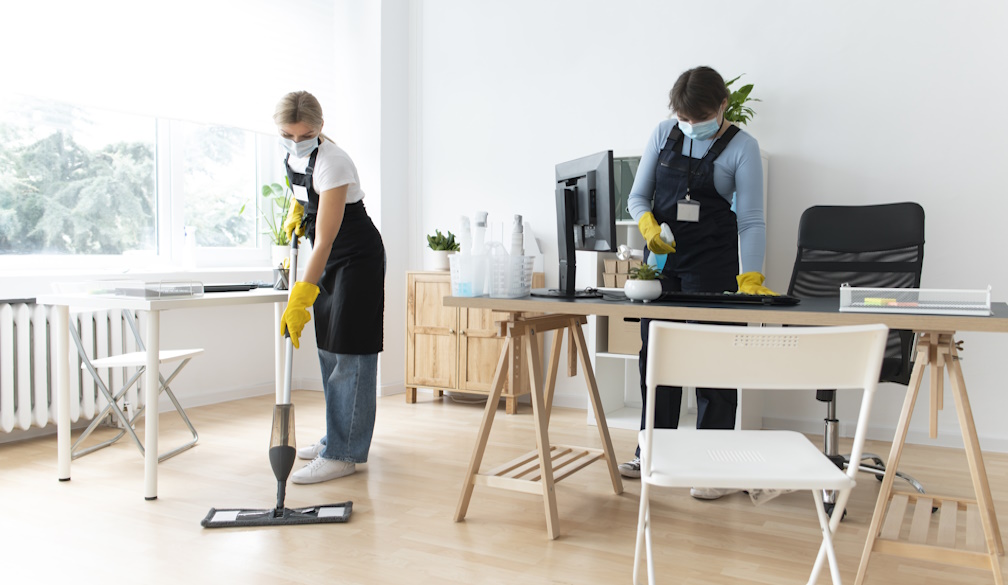
A clean workplace rarely happens by accident. Someone wipes the kitchen bench, another person empties the bins, and the meeting room gets cleaned when someone remembers. A written cleaning schedule gives everyone a clearer idea of what needs doing, how often it should happen, and who is responsible.
For businesses that want a more reliable routine, it can help to review current cleaning arrangements and find out more about the support available. The schedule should reflect the way the workplace is actually used, rather than follow a generic list that ignores busy kitchens, shared desks or high-traffic entrances.
Give Every Task a Clear Frequency
Not every area needs attention at the same time. Kitchen benches, bathroom touchpoints and frequently used door handles may need daily cleaning, while windows, vents and some storage areas can usually be handled less often.
Start by walking through the premises and listing the areas that need care. Include obvious places such as floors and toilets, but don't forget printer stations, fridge handles, shared keyboards and the edges of bins. A schedule built around the layout is more likely to be followed than one copied from another business.
Make Shared Spaces Everyone's Concern
Break rooms can become messy quickly, especially when staff use them at different times. A simple routine for wiping benches, cleaning spills, checking the fridge and emptying rubbish helps keep the space pleasant for the next person. Put the instructions somewhere visible, and make it clear which jobs belong to staff and which sit with the cleaning team.
The same principle applies to meeting rooms and shared workstations. Used cups, crumbs and fingerprints may seem minor, yet they leave an untidy impression and can spread dirt between users. Agree on a reset routine after meetings, including clearing rubbish and wiping suitable surfaces. Keep disinfectants and other cleaning products stored safely, away from food and out of reach of children or unauthorised users.
Build Hygiene Into the Working Week
A schedule works best when tasks have a named owner and a realistic time slot. “Clean the kitchen” is vague; “wipe benches and handles at the end of each day” gives staff a clear job. For larger workplaces, divide duties by zone or shift so one person isn't left responsible for everything.
A checklist can help, but it should be easy to use. Staff won't maintain a complicated form that takes longer than the task itself. A dated tick box, initials or a digital record is often enough to show that work has been done. Supervisors can review the list now and then, then adjust it if certain tasks are repeatedly missed.
Staff should also know who to approach if cleaning supplies run low or an area needs extra attention. A quick check at the end of the day can help catch small problems before they build up.
Pay Attention to High-Touch Areas
Some surfaces receive constant contact throughout the day. Door handles, lift buttons, tap handles, shared phones and EFTPOS terminals can collect grime quickly. Cleaning these points at suitable intervals is a practical part of workplace hygiene, particularly in busy offices, retail settings and staff amenities.
Cleaning and disinfecting aren't quite the same thing. Cleaning removes dirt and many germs from a surface; disinfecting uses an appropriate product to kill or inactivate germs that remain. Follow the product label, check the required contact time, and never mix cleaning chemicals. More product doesn't mean better results, and the wrong combination can be dangerous.
Review the Routine When Things Change
A schedule shouldn't be set once and forgotten. Staff numbers may increase, a new team may share the kitchen, or a renovation may introduce extra dust. Seasonal illness, spills or a rise in customer traffic can also mean certain tasks need to happen more often.
Ask workers which areas become dirty fastest and whether any part of the routine is impractical. Their feedback can reveal problems that a checklist alone won't show. Keep a note of recurring complaints or missed jobs, and change the schedule where needed. The aim is a routine people can maintain, not another document that sits untouched in a folder.
Consistency Makes the Difference
A cleaning schedule helps staff keep track of their daily tasks and makes it less likely that jobs will be missed. It doesn't have to be complicated. List the areas that need regular cleaning, decide who will handle each task, and check from time to time whether the routine is working. If something keeps getting missed, change the schedule to suit the workplace better.