Preparing for a First Psychology Session: What Helps and What Is Not Necessary
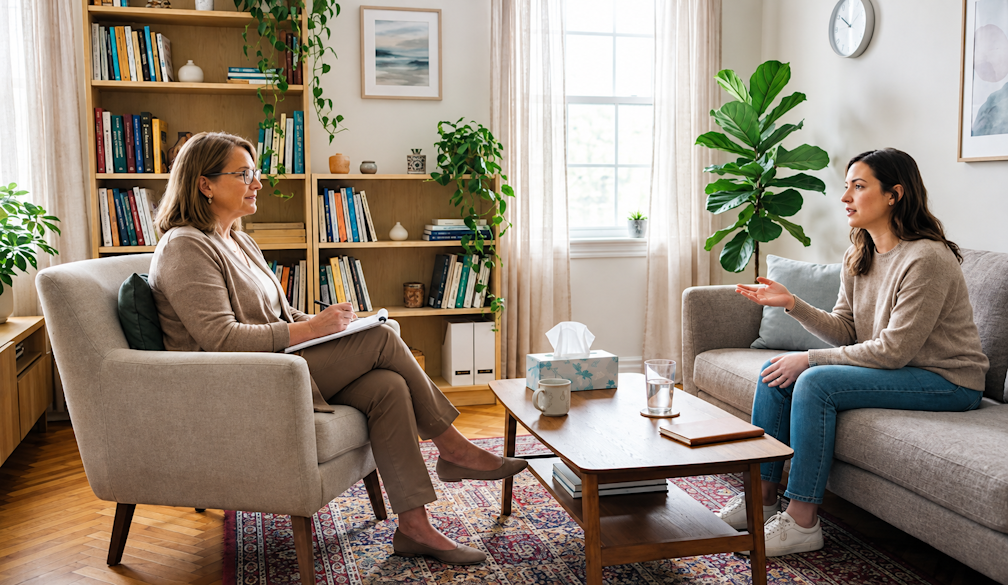
Booking a first appointment with a psychologist can feel like a bigger step than the appointment itself turns out to be. Much of the uncertainty comes from not knowing what will be asked, what paperwork is involved, or whether there is a right way to prepare. The good news is that a first session is largely an introduction, and there is very little that has to be done beforehand.
What a First Session Usually Covers
According to the Australian Psychological Society, most psychologists use the first session to learn about a person's history and background and what led them to seek support. That can include questions about family and personal history, and about past experiences with mental health. Some psychologists also ask a person to complete questionnaires.
It is also a chance to ask questions. The psychologist can explain what to expect from a course of treatment, how confidentiality works, and what the options are, including whether sessions can take place in person or by telehealth. In other words, the first session runs in both directions: the psychologist learns about the person, and the person learns about how the psychologist works. Taken together, it is mostly a conversation, with the aim of building a picture before anything else is decided.
Forms Come First
Intake and consent forms are completed before sessions begin. Some practices send them beforehand, while others ask people to arrive early to fill them in. These forms generally cover privacy, confidentiality and access to information.
Because they set out how personal information is handled, the forms are a natural place to raise questions. It is reasonable to ask how notes are stored, who can see them, and what a person's rights are in therapy. Asking at the start tends to be easier than wondering about it later, and it is also fine to ask for any wording on a form to be explained if it is unclear. Taking the time to read the forms properly is part of the process, not a delay to it.
Thinking About Goals
Someone who has decided to contact a psychologist gold coast practice can make the first session more useful with a little reflection beforehand. Goals do not need to be polished. A rough idea of why a person is coming is enough for the conversation to begin.
For those who find it hard to put goals into words, the same guidance suggests a gentle exercise: imagine that whatever brought you to the appointment had been resolved, and consider how life would look different. Thinking about how you would feel, think and behave differently can help clarify what you are hoping for and communicate it to the psychologist. There is no right answer, and the exercise is only a starting point.
Writing Things Down
Jotting down a few notes before the appointment is a simple way to make sure the main points are covered. Useful items include the questions you would like answered, the main things you want the psychologist to understand, and anything that feels important but difficult to say out loud. Having notes to refer to can be especially helpful if nerves make it easy to forget.
Nothing in the guidance suggests that anything else needs to be brought beyond the completed forms. A first appointment is not an exam, and there is no expectation that a person will have everything figured out.
Choosing Between In Person and Online
Telehealth is one of the options psychologists can discuss. It is worth raising when booking, so that the format suits the person and the practice can confirm what it offers.
Not Having to Decide Everything at Once
A first session is also an opportunity to see whether the way a psychologist works feels comfortable. It is reasonable to ask how sessions are structured, what approach might be used, and how progress is reviewed. Feeling comfortable with a psychologist is an important part of the process, and it is fine to take time over that decision.