Building Lifelong Confidence and Motor Skills Through Early Team Sports
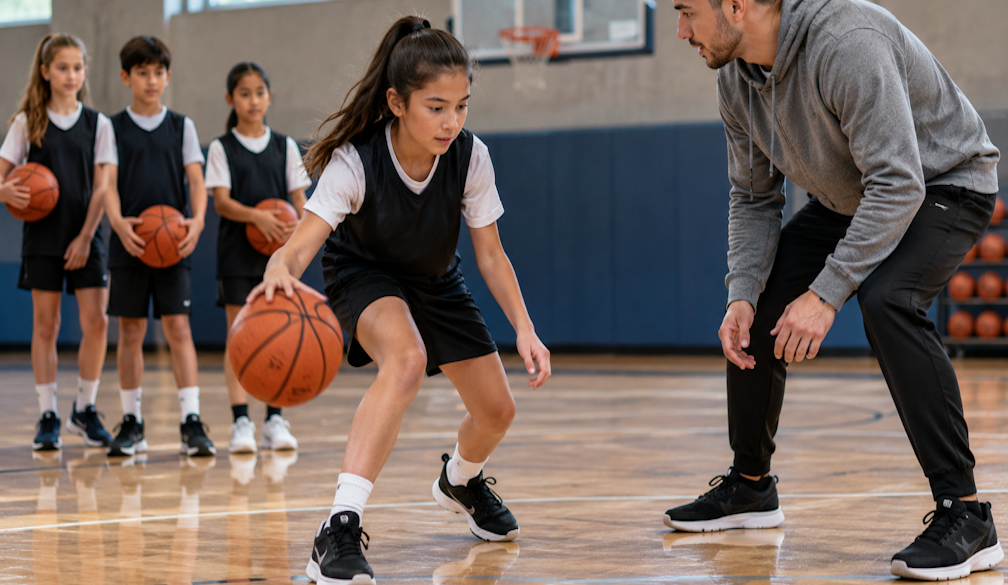
Parents constantly look for ways to help their children thrive in an increasingly digital world. With rising concerns about screen time and sedentary behaviour, getting children moving is more important than ever. The national 24-Hour Movement Guidelines for the Early Years highlight the critical daily balance between physical activity, sedentary time, and rest. According to recent AusPlay survey data, an estimated 1.83 million Australian children aged up to 14 participate in organised, out-of-school sports at least once a week. However, the same data reveals a stark contrast, showing that nearly half of all Australian children do not engage in sport-related activities on a regular fortnightly basis. Encouraging participation in early team sports offers a proven pathway to bridge this gap, providing holistic developmental benefits that extend far beyond simple physical fitness.
Finding the Right Fit for Your Child
When introducing young children to organised activities, the primary focus should remain on fun, inclusion, and gradual skill building. Grassroots programs are seeing a surge in enrollment because they offer highly adaptable, low-contact formats tailored to varying ages and physical capabilities. Basketball, for example, remains a dominant choice for Australian families. As one of the top five most played organised sports for children, it boasts over 340,000 regular junior participants nationwide.
Parents seeking a structured yet enjoyable environment often look into local kids basketball classes to help their children learn fundamental techniques without the intense pressure of competition. These grassroots programs teach basic rules and physical movements while encouraging children to work together cooperatively. While rising participation costs and a shortage of accessible indoor courts remain real logistical challenges for many families, state-level initiatives like the NSW Active Kids voucher program have been reformed to help ease the financial burden of these weekly activities. Finding an activity that balances affordability with expert coaching is key to maintaining long-term engagement.
Developing Fundamental Movement Skills
Physical literacy is a concept rapidly gaining traction among early childhood educators and grassroots coaches across Australia. This model prioritises the development of fundamental movement skills, such as throwing, catching, and running, over immediate competitive outcomes. The Australian Physical Literacy Framework maps out essential elements across physical, psychological, social, and cognitive domains to guide healthy childhood development. Engaging in regular active play allows young bodies to safely develop vital coordination and physical competence.
Recent academic evidence from the Louisiana State University Scholarly Repository demonstrates that higher moderate-to-vigorous physical activity levels are significantly associated with better fundamental movement skill proficiency among young children. This means that the more children run, jump, and play with intent, the more refined their fine and gross motor skills become. Engaging in structured physical activities accelerates this critical phase of development, allowing children to build muscle memory in a supervised environment.
Building these physical foundations early sets children up for a lifetime of healthy habits. Participating in structured sports helps children develop several essential physical competencies:
- Hand-eye coordination and spatial awareness through tracking and intercepting objects.
- Balance and agility by navigating dynamic court and field environments.
- Cardiovascular endurance built through short bursts of energetic play.
- Muscle strength and bone density supported by regular, weight-bearing movements.
The Social and Emotional Playbook
The advantages of early sports participation go well beyond physical health and motor skill acquisition. Stepping onto a court or a field introduces children to complex social dynamics in a safe, controlled setting. They learn how to take turns, communicate effectively with peers, and follow instructions from positive role models like coaches and referees. These early interactions are crucial for building resilience and robust self-esteem, laying the groundwork for positive relationships later in life.
The psychological benefits of these social interactions are well documented across Australia. Organised team activities provide a strong sense of peer belonging and vital social support. In fact, structured play is often considered the MVP for kicking kids' mental health goals by helping young participants process complex emotions. Acting as a catalyst for improved emotional regulation and higher self-worth, these sporting environments teach invaluable life lessons. When children experience the shared joy of a team environment, they learn to celebrate their victories humbly and navigate their inevitable setbacks gracefully.
Ultimately, early team sports provide a comprehensive framework for childhood development. By fostering physical literacy, essential social skills, and emotional resilience, these activities prepare children for challenges both on and off the sporting field. Whether they are learning to dribble a ball, communicating with a teammate, or simply enjoying the pure thrill of active play, the lessons learned during these formative years will support their confidence and wellbeing for a lifetime.