The Ultimate Guide to Luxury Designer Clothes for Women
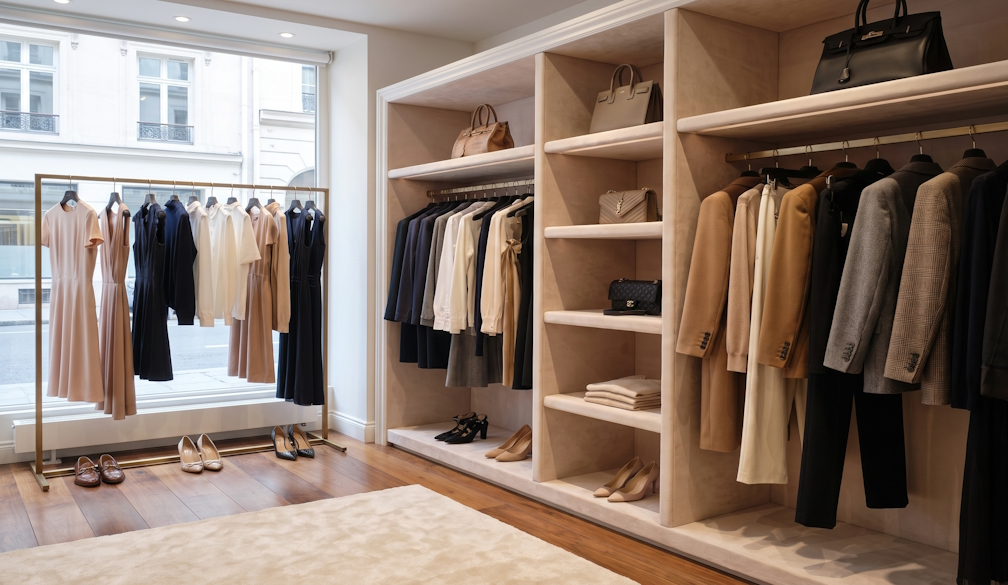
Luxury designer clothes for women are garments defined by exceptional materials, skilled construction and considered design - clothing made to be worn for years, not seasons. Understanding what separates genuine luxury from a high price tag is the key to investing well and building a wardrobe that lasts.
In short:
- True luxury is defined by fabric, craftsmanship and longevity, not logos.
- Luxury, premium and fast fashion differ most in how long they last.
- Care - storage, cleaning and repair - is part of protecting the investment.
- Start with foundations and build slowly, buying fewer, better pieces.
What defines luxury designer clothes for women?
Genuine luxury clothing is defined by what goes into it. The first mark is material: noble natural fibres such as cashmere, merino wool, silk and linen, chosen for how they feel, wear and age. The second is craftsmanship - considered pattern cutting, hand-finishing and construction that holds its shape over years. The third is design intent: pieces created to endure rather than to chase a season.
A designer name alone doesn't guarantee any of this. The clothing worth the word "luxury" is where fabric, make and design meet - where a garment is quietly excellent whether or not anyone recognises the label.
How is luxury different from premium and fast fashion?
The clearest way to understand luxury is to place it beside the alternatives. The differences show up most in longevity and in how the price is justified.
|
|
Fast fashion |
Premium |
Luxury designer |
|
Fabric |
Synthetic blends |
Mixed, some natural |
Noble natural fibres |
|
Construction |
Minimal, machine-fast |
Good, largely machine |
Skilled, often hand-finished |
|
Lifespan |
A season |
A few years |
Years to decades |
|
Price reflects |
Volume and speed |
Material and brand |
Material, craft and longevity |
Luxury is not simply the most expensive tier - it is the one where the price buys genuine make and materials, not just a name.
What should you look for when investing in luxury pieces?
Investing well means judging the garment, not the label. Four things separate a worthwhile investment from an expensive impulse.
Read the fibre composition first - named natural fibres, at a weight suited to the garment, are the foundation of quality. Examine the construction, in store or through close online images: seams, linings, hems and finishing reveal the care taken. Consider provenance - a label that names its studio and makers is one confident in its work. And prioritise fit, because the most beautiful piece is wasted if it doesn't sit correctly on the body.
Together, these turn a purchase from a gamble into a considered decision. And they shift the question away from the label on the garment towards the making of it - which is exactly where genuine value in luxury clothing sits.
How do you care for luxury designer clothing so it lasts?
An investment piece rewards care, and neglect undoes even the finest garment. Natural fibres in particular respond to how they are stored and cleaned, and a little attention extends their life by years.
A few habits protect the investment:
- Store knitwear folded, never hung, to keep it from stretching out of shape.
- Use cedar and breathable garment bags to guard wool and cashmere from moths.
- Clean less, and correctly - air garments between wears and follow the care label rather than over-washing.
- Repair early - a reworked seam or reheeled shoe costs little and adds years.
Cared for this way, quality clothing doesn't wear out so much as it settles in.
How do you start building a luxury wardrobe?
Building a luxury wardrobe is a slow, deliberate act, not a single shopping trip. Begin with foundations - a tailored coat, fine knitwear, well-cut trousers, a white shirt and a versatile dress - and let those anchors carry simpler pieces around them. Add considered pieces over time rather than all at once.
The value of this approach is measured in cost per wear: a quality coat worn across many winters quietly becomes one of the cheapest things you own. Australian labels such as White Story, which cuts and patterns its collections by hand in a Melbourne studio using natural fibres, are built around exactly this idea - fewer, better pieces designed to be worn for years rather than replaced each season.
Frequently Asked Questions
What makes clothing "luxury" rather than just expensive?
Genuine luxury is defined by noble natural fibres, skilled construction and design made to last - not by price or logo alone. An expensive garment in poor fabric or careless make is not luxury; a well-made piece in fine materials is, whatever its label.
Are luxury designer clothes worth the money?
Often, when judged on cost per wear. A well-made piece in natural fibres, worn for years, frequently costs less over its life than a series of cheaper garments replaced each season - and it looks and feels better throughout.
What are the most luxurious fabrics for women's clothing?
Cashmere, fine merino wool, silk and quality linen are among the most prized, valued for how they feel, drape and age. Fabric weight and construction matter as much as the fibre name in determining true quality.
How do you care for luxury designer clothes?
Store knitwear folded, protect wool and cashmere from moths, clean sparingly and correctly according to the care label, and repair small issues early. Good care can extend the life of a quality garment by many years.
The considered approach to luxury
Luxury designer clothes for women are best understood not as a splurge but as an investment in fewer, better pieces - garments defined by fine materials, skilled making and a design built to last. Judge the garment rather than the label, care for what you buy, and build your wardrobe slowly.
Approached this way, luxury becomes less about spending and more about discernment - a wardrobe of pieces chosen with intention and worn, with pleasure, for years.