How to Protect Your Car's Paint From Scratches
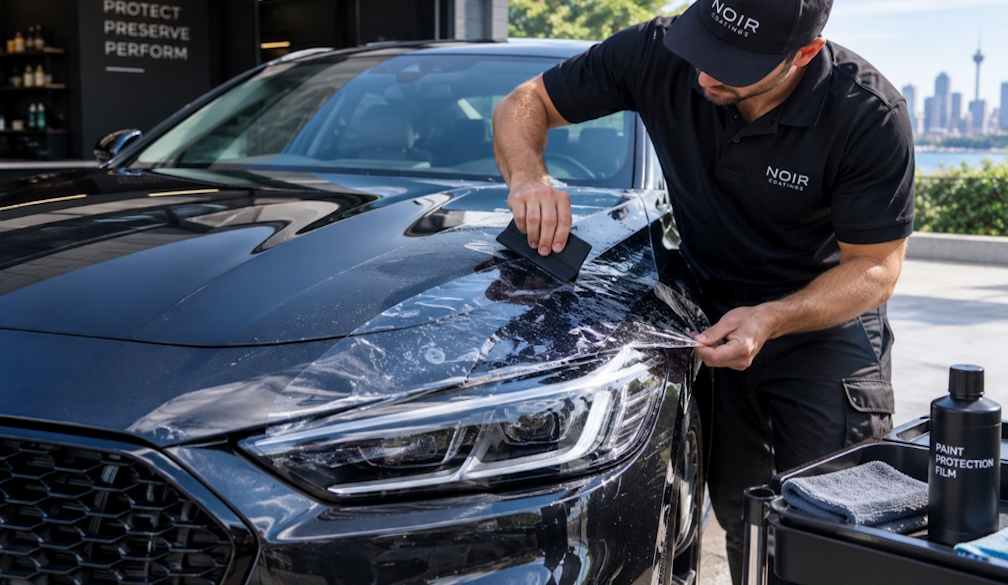
Scratches are one of the most common ways car paint loses its shine. Some come from obvious accidents, but most build up slowly through everyday habits: a rushed wash, a dusty towel, a shopping trolley too close in a car park or gravel flicked up on the highway. Over time these small marks add up to a dull, tired finish that no amount of polish can fully hide.
This guide explains what causes scratches, the habits that prevent most of them and the products that add real protection, so your paint stays smooth and glossy for longer.
What Causes Scratches on Car Paint
Most damage falls into a few categories:
- Swirl marks: Fine circular scratches caused by dirty wash mitts, dry wiping and automatic brush washes
- Stone chips: Small impacts from gravel and debris, common on the front bumper, bonnet and mirrors
- Door dings and trolley marks: Contact damage in car parks and tight garages
- Dust and grit: Wiping a dry, dusty car drags particles across the clear coat
- Key, branch and bag scratches: Accidental contact from people, plants and belongings
- Chemical and environmental damage: Bird droppings, sap and salt can etch paint, and scrubbing them off can add scratches
Modern paint has a clear coat that gives gloss and protects the colour beneath. Once that layer is scratched, light reflects unevenly and the paint looks hazy or dull.
Everyday Habits That Prevent Scratches
Wash with care
Most swirl marks come from washing. Rinse the car thoroughly first to remove loose grit, use a pH neutral shampoo and wash with a clean microfibre mitt. The two bucket method, one for soapy water and one for rinsing the mitt, keeps dirt from being dragged back across the paint.
Dry gently
Use a soft, clean microfibre drying towel or a dedicated drying towel and blot or glide it over the surface rather than rubbing hard. Never wipe a dusty car dry.
Skip harsh automatic washes
Brush style car washes can hold grit from previous vehicles and leave fine marks. Touchless options are gentler, though hand washing remains the safest approach.
Park smartly
Choose spots with space around the car, avoid parking near trolley returns and keep clear of overhanging branches. Parking under cover also reduces exposure to falling debris and UV.
Keep your distance on the road
Stone chips come from gravel thrown up by other vehicles. Leaving more space behind trucks and on unsealed or newly resurfaced roads reduces impacts.
Clean contaminants promptly
Bird droppings, insects and sap are acidic and soften paint. Remove them gently as soon as possible using plenty of water or a quick detailer rather than scrubbing.
Products That Add Real Protection
Good habits help, but products can add a physical or chemical barrier.
Wax and sealants
These add gloss and a thin sacrificial layer, but they wear off in weeks to months and offer little defence against actual scratches.
Ceramic coating
A ceramic coating bonds to the paint and creates a harder, slick surface that resists light marring, chemicals and UV. It makes cleaning easier and helps reduce swirl marks from washing, but it does not stop stone chips or deeper scratches.
Paint protection film
For genuine impact and scratch resistance, a clear urethane film applied over the paint is the strongest option. Paint protection film Sydney installers commonly fit it to high impact areas such as the front bumper, bonnet, mirrors, door edges and sills, or to the full vehicle. Many films have a self healing top layer that lets light swirl marks disappear with warmth from the sun or warm water. It also protects against stone chips that would otherwise reach the paint.
Comparing Protection Options
|
Option |
Scratch resistance |
Chip protection |
Typical lifespan |
Best for |
|
Wax or sealant |
Very low |
None |
Weeks to months |
Gloss and short term protection |
|
Ceramic coating |
Light marring only |
Very low |
Several years |
Easier cleaning, gloss and chemical resistance |
|
Paint protection film |
High, with self healing on light marks |
High |
Many years |
Impact zones, new cars and high value paint |
Many owners combine the two: paint protection film on exposed panels and ceramic coating over the entire car for gloss and easy maintenance.
What to Do If Paint Is Already Scratched
- Check the depth. If your fingernail does not catch in the scratch, it is likely in the clear coat and can often be polished out.
- Try a fine polish. A gentle polish and clean microfibre can remove light marks on the surface.
- Get professional correction for swirls. Machine polishing removes a thin layer of clear coat to level the surface and should be done carefully by a trained detailer.
- Repair deep scratches properly. If the scratch reaches primer or metal, it needs touch up or repainting to stop rust.
- Protect after repair. Once paint is corrected, a coating or film helps keep it that way.
How to Choose the Right Protection
Consider a few questions:
- Where is the car parked? Outdoor, street parked cars face more risk.
- How much highway driving do you do? More kilometres means more stone chips.
- Is the car new or high value? Protecting fresh paint early saves correction later.
- What is your budget? Film costs more than coating, so many owners protect key panels first.
- How do you plan to wash it? If you wash carefully, a coating may be enough. If not, film adds extra safety.
Always choose an installer with experience, a clean workspace, and clear warranty terms, since installation quality strongly affects results.
Frequently Asked Questions
What is the best way to protect car paint from scratches?
Careful washing habits combined with a physical protection layer such as paint protection film give the best results. Ceramic coating helps with light marring and easy cleaning.
Does ceramic coating prevent scratches?
It adds some resistance to light swirl marks but does not make paint scratch-proof and does not stop stone chips.
Is paint protection film worth it?
For cars that see highway driving, street parking or that you plan to keep or sell at a good value, it often is. It protects against chips and scratches and can preserve original paint.
Can scratches be removed from car paint?
Light scratches in the clear coat can often be polished out. Deep scratches through the paint need repair or repainting.
Are automatic car washes bad for paint?
Brush-style washes can cause swirl marks over time. Touchless washes are gentler, but hand washing is the safest option.
How often should I wash my car to protect the paint?
Every one to two weeks is a good routine, and sooner if it has bird droppings, sap or heavy dirt on it.
Final Thoughts
Protecting your car's paint from scratches comes down to careful washing, smart parking and the right level of protection for how you use the car. Ceramic coating helps with gloss and light marring, while paint protection film provides the strongest defence against chips and scratches. Combine good habits with the right product and your paint will hold its finish and value for years.