Electrical Installation: 5 Common Mistakes (and How to Avoid Them)
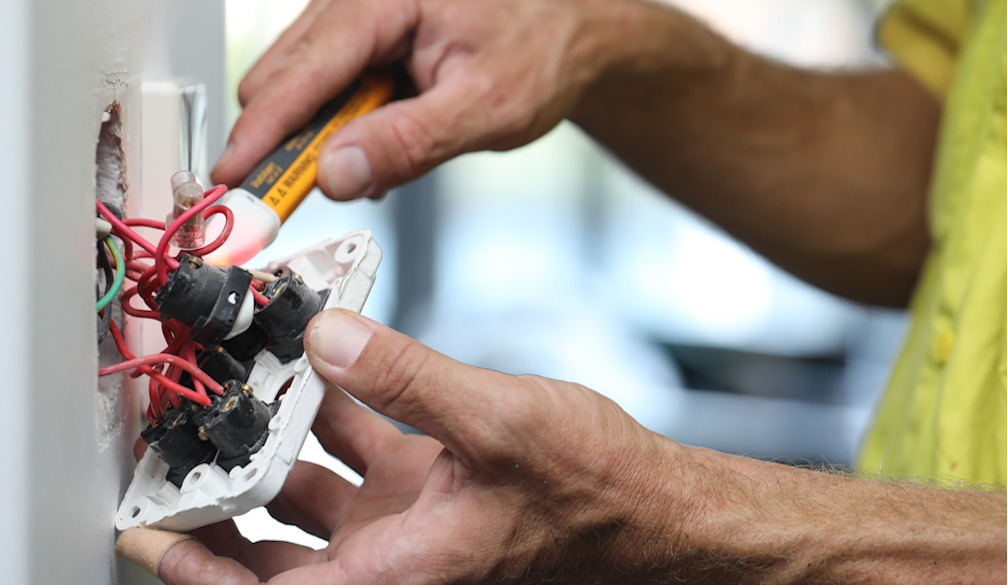
Embarking on an electrical project, whether it's a simple lighting upgrade or a complete home rewire, can feel daunting. One wrong move, and you could be facing costly repairs, potential hazards, or even putting your safety at risk. Many homeowners in Australia, eager to save a few dollars, sometimes attempt electrical work themselves or hire unqualified individuals. While DIY has its place, when it comes to electricity, precision and expertise are paramount. If you’re considering any type of professional assistance with electrical installation around your property, it's crucial to be aware of the common pitfalls. This article will highlight five frequent mistakes made during electrical installation projects and, more importantly, provide you with the knowledge to avoid them.
Think of electricity like the circulatory system of your home. A blockage or faulty connection in your body can have serious consequences, and the same holds true for your electrical system. Ensuring a safe and efficient quality electrical installation service is vital for the wellbeing of your family and the longevity of your property. So, let's dive into the common mistakes and learn how to keep your electrical projects running smoothly and safely.
1. Skipping the Planning Phase
One of the biggest errors in any electrical project is diving in headfirst without a proper plan. It's like trying to bake a cake without a recipe – you might end up with a mess! A comprehensive plan is your roadmap to success, ensuring you have the right materials, understand the scope of the work, and anticipate potential challenges.
Why Planning Matters
Without a clear plan, you might underestimate the amount of wiring needed, forget essential safety equipment, or overlook crucial steps in the installation process. This can lead to delays, increased costs, and, most importantly, compromised safety. Have you considered the implications of not having enough circuit breakers for all your appliances? What about the potential for overloading circuits?
How to Avoid This Mistake
- Assess Your Needs: Determine exactly what you need the electrical installation to achieve. Are you adding new outlets, installing a ceiling fan, or upgrading your entire electrical panel?
- Create a Detailed Diagram: Sketch out a diagram of the area where you'll be working, noting the location of existing wiring, outlets, and fixtures. This will help you visualise the project and identify potential obstacles.
- List Materials and Tools: Compile a comprehensive list of all the materials and tools you'll need, including wiring, connectors, circuit breakers, safety gear, and testing equipment.
- Consider Future Needs: Think about your future electrical needs. Will you be adding more appliances or devices in the future? Plan for expansion to avoid having to redo the work later.
2. Neglecting Safety Precautions
Electricity is powerful and unforgiving. Neglecting safety precautions during any electrical installation is like playing with fire – it's only a matter of time before you get burned. Electrical shocks, fires, and even fatalities can result from carelessness or ignorance.
Why Safety is Non-Negotiable
Working with electricity requires a healthy respect for its potential dangers, which is why hiring an electrician newcastle is essential. Failing to disconnect the power supply before starting work, using damaged tools, or ignoring proper grounding procedures can have devastating consequences. Are you really willing to risk your life or the lives of others to save a few minutes?
How to Avoid This Mistake
- Always Disconnect the Power: Before starting any electrical work, always turn off the power at the main circuit breaker. Double-check with a voltage tester to ensure the circuit is dead.
- Wear Appropriate Safety Gear: Wear insulated gloves, safety glasses, and appropriate clothing to protect yourself from electrical shocks and burns.
- Use Insulated Tools: Only use tools that are specifically designed for electrical work and have insulated handles.
- Follow Proper Grounding Procedures: Ensure all electrical components are properly grounded to prevent electrical shocks.
- Work in Dry Conditions: Never work with electricity in wet or damp conditions. Water is an excellent conductor of electricity and can significantly increase the risk of electrocution.
3. Using Incorrect Wiring or Components
Using the wrong type of wiring or electrical components is a recipe for disaster. It's like putting the wrong fuel in your car – it might run for a while, but eventually, it will break down. Different types of wiring are designed for different purposes and have different current-carrying capacities. Using the wrong type can lead to overheating, fires, and equipment damage.
Why Compatibility Matters
Electrical systems are designed to work with specific types of wiring and components. Using incompatible materials can compromise the integrity of the system and create a safety hazard. Would you use a garden hose to supply water to a fire hydrant? Of course not! The same principle applies to electrical wiring.
How to Avoid This Mistake
- Consult Electrical Codes: Familiarise yourself with the Australian electrical codes and standards to ensure you're using the correct wiring and components for your project.
- Check Appliance Ratings: Check the voltage and amperage ratings of your appliances and devices to ensure the wiring and circuit breakers are properly sized.
- Use the Right Gauge Wire: Use the appropriate gauge wire for the amperage rating of the circuit. Thicker wire is required for higher amperage circuits.
- Choose Quality Components: Use high-quality electrical components from reputable manufacturers to ensure reliability and safety.
- When in doubt, ask a professional: If you are unsure about any aspect of the process of electrical installation, consult a licensed electrician.
4. Overloading Circuits
Overloading an electrical circuit is like trying to squeeze too much water through a pipe – eventually, it will burst. When you plug too many appliances or devices into a single circuit, it can overheat, trip the circuit breaker, or even cause a fire.
Why Circuit Capacity Matters
Each electrical circuit is designed to handle a specific amount of current. Exceeding that limit can create a dangerous situation. Have you ever noticed the circuit breaker tripping when you plug in too many appliances at once? That's a sign of an overloaded circuit.
How to Avoid This Mistake
- Calculate Circuit Load: Calculate the total amperage draw of all the appliances and devices connected to the circuit.
- Don't Exceed 80% Capacity: As a general rule, don't exceed 80% of the circuit's rated capacity. This provides a safety margin and prevents overheating.
- Use Multiple Circuits: If you have a lot of appliances or devices in one area, consider using multiple circuits to distribute the load.
- Upgrade Your Electrical Panel: If your electrical panel is old or undersized, consider upgrading it to provide more circuits and capacity.
5. Ignoring Regulations and Permits
Ignoring electrical regulations and permit requirements can land you in hot water with local authorities. It's like building a house without a building permit – you might get away with it for a while, but eventually, you'll be caught. Electrical regulations are in place to ensure safety and compliance with industry standards.
Why Compliance is Essential
Electrical work is subject to strict regulations and requires permits in many areas. Failing to comply with these requirements can result in fines, penalties, and even legal action. Moreover, non-compliant work can be unsafe and may not be covered by insurance.
How to Avoid This Mistake
- Research Local Regulations: Contact your local council or building department to find out about the electrical regulations and permit requirements in your area.
- Obtain Necessary Permits: Obtain all necessary permits before starting any electrical work.
- Follow Electrical Codes: Ensure your electrical installation complies with the Australian electrical codes and standards.
- Hire a Licensed Electrician: Consider hiring a licensed electrician to perform the work. They will be familiar with the local regulations and can ensure the installation is done safely and correctly.
Conclusion
Electrical installations can be complex and potentially dangerous. By understanding the common mistakes and taking the necessary precautions, you can ensure your electrical projects are completed safely and efficiently. Remember, proper planning, safety precautions, using the correct materials, avoiding overloaded circuits, and complying with regulations are all essential for a successful outcome. If you're unsure about any aspect of the process of electrical installation, don't hesitate to seek professional help. A licensed electrician can provide expert advice and ensure your electrical work is done safely and to code. Investing in professional assistance is often the smartest way to protect your home and family.
Frequently Asked Questions (FAQs)
- Can I do electrical work myself in Australia?
In Australia, some minor electrical work can be done by homeowners, but anything beyond simple tasks like replacing a lightbulb or changing a fuse typically requires a licensed electrician. It's best to check your local regulations to be sure.
- How do I find a qualified electrician?
Look for electricians who are licensed and insured in your state or territory. Check online reviews and ask for recommendations from friends and family. Always verify their credentials before hiring them.
- What are the signs of an overloaded circuit?
Common signs include frequently tripped circuit breakers, flickering lights, warm outlets, and a burning smell coming from outlets or appliances. If you notice any of these signs, it's important to address the issue immediately.
- How often should I have my electrical system inspected?
It's recommended to have your electrical system inspected every 5-10 years, or more frequently if you have an older home or have experienced any electrical problems.
- What should I do if I suspect an electrical fire?
If you suspect an electrical fire, immediately turn off the power at the main circuit breaker (if it's safe to do so), evacuate the building, and call the fire department. Do not attempt to extinguish the fire with water.