How TPD Claims are Assessed: Insights from Expert Lawyers
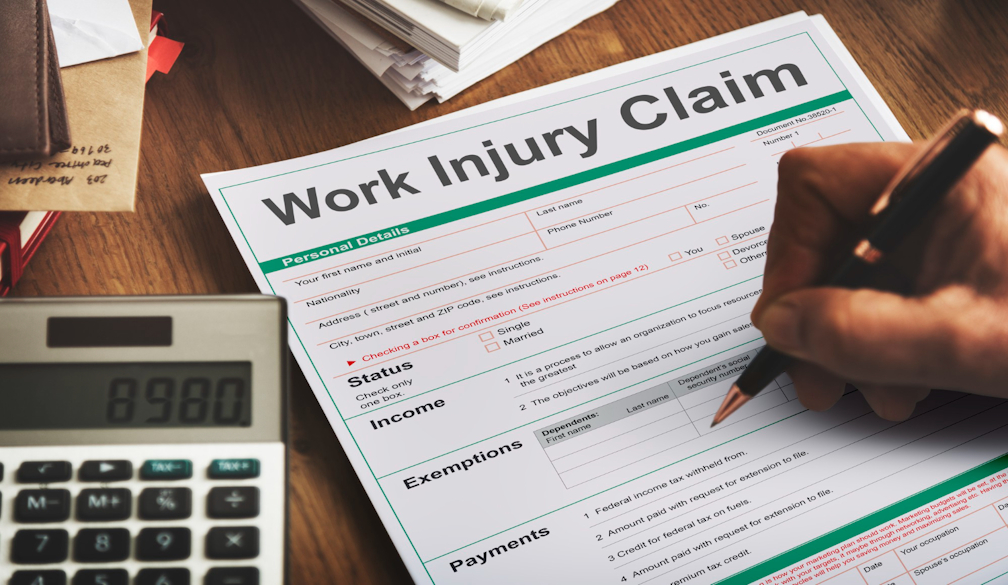
Facing Challenges in Claiming TPD Benefits
If you cannot work due to a severe injury or illness, you may be eligible for total and permanent disability (TPD) insurance through your super fund. TPD payouts aim to cover medical, rehabilitation, and ongoing living expenses.
10 Common TPD Claims:
- Severe burns.
- Amputation.
- Blindness.
- Paralysis.
- Cancer.
- Brain injuries.
- Muscular Dystrophy.
- Loss of speech.
- Quadriplegia.
- Motor Neurone Disease
These situations can result in total and permanent disability (TPD) claims. These claims can make it difficult for people to continue working because of injuries or conditions.
What is a TPD Claim?
A TPD claim means filing for total and permanent disability. It's an insurance claim made when someone cannot work due to a permanent disability, preventing employment.
Making a Successful TPD Claim
Wondering how to navigate the TPD claim process? It's a bit different for each insurer, but in Australia, it usually involves these seven steps:
- Reach out to specialist superannuation lawyers for guidance.
- Locate and gather information about your TPD policies.
- Contact your super fund and insurance company to kickstart the process.
- Collect evidence supporting your TPD claim.
- Lodge your claim forms with the required information.
- Await approval or be prepared for a dispute resolution if rejected.
- Upon approval, expect the TPD lump-sum payment.
Remember, each step is crucial for a successful TPD claim.
How Much Will My TPD Claim Payout Be?
When you signed up for your superannuation fund, you likely snagged TPD insurance units, each valued at $50,000. If your TPD claim gets the thumbs up, you will receive $100,000. But here's the catch: benefits aren't one-size-fits-all across superannuation funds.
- TPD insurance is the norm, usually broken down into units.
- You probably started with two TPD units when you started your superannuation journey.
- Each unit packs a punch at $50,000.
- With the nod for your TPD claim, envision a payout matching the sum of your units, say, $100,000.
Remember, benefits aren't uniform; they can shift from one superannuation fund to another.
Also, if you want to know this in detail, you can read this: TPD Claim Payout.
Eligibility Criteria for the TPD Claim
TPD insurance is like life insurance. It gives you a lump sum if you face a "total and permanent disability," as your policy explains. It kicks in when you can't go back to work because of an injury or health issue, physical or mental.
The primary criterion is meeting the total and permanent disability definitions in your superannuation policy. This usually means you're unlikely to work for pay, considering your education, training, or experience.
1. Education, Training, and Work Experience:
To qualify, you must be unable to do your job or any other suitable job considering your education, training, or experience.
2. Waiting Period Requirement:
Most policies make you wait, usually three to six months. You must show your disability continues beyond this period to make a TPD claim.
3. Occupational Inability Evaluation:
The policy may say you can't work in your usual job or any other job you're qualified for. The fund assesses reasonable retraining possibilities.
4. In Medical Care:
Certain policies demand you to be under a medical practitioner's care for a TPD claim. You often need to follow medical advice and treatment.
5. Critical Medical Documentation
Comprehensive medical evidence, including reports, opinions, test results, and treatment records, is crucial to supporting your TPD claim.
Understanding disability definitions, waiting periods, retraining considerations, medical care requirements, and gathering sufficient evidence is crucial. Professional guidance can make the process smoother.
How Does a Lawyer Assist with TPD Claims Benefits?
Handling your TPD insurance claim involves a few steps to make things smooth. First, complete the needed paperwork. Then, show proof of your disability.
Furthermore, let us discuss this in detail:
Paperwork Completion:
- Lawyers handle all the necessary paperwork from your insurance provider.
- Streamlining this process to make it hassle-free for you.
Evidence Gathering:
- Work collaboratively with you to gather evidence of your disability.
- This may involve medical reports, statutory declarations, and pay slips.
Claim Assessment:
- Your insurer will review the collected information.
- They assess the claim and determine your eligibility for a TPD payout.
Proving Severity:
- Demonstrating the severity of your injuries or illnesses is crucial.
- This proof is essential to establishing that you can't return to work.
Consultation with Experts:
- It's challenging to prove this on your own.
- Consult the Personal Injury Lawyers before filing a TPD claim for expert assistance.
A successful TPD claim involves attention to detail, evidence, and professional guidance. We're here to make this process as straightforward as possible for you.
Can You Work After Getting a TPD Payout?
Yes, You can work after getting a TPD Payout!
Nothing holds you back. You may need training for a new job or treatment to return to your old role.
But it depends on how insurers and super funds set their TPD policies. Some policies are strict. They might need you to lose a limb or sight or be unable to move without help for a TPD claim. You might not fit these criteria even if you can't return to work.