Surviving “the wet”: how local tourism and accommodation businesses can sustain cash flow in the off-season
- Written by: The Times
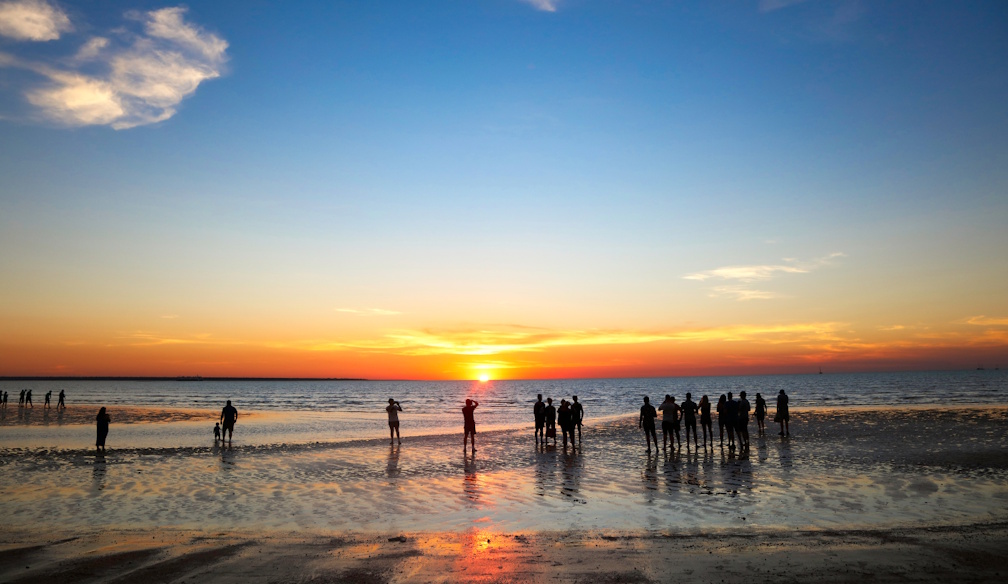
Across northern Australia and many coastal regions, “the wet” is not just a weather pattern — it’s an economic season.
For tourism and accommodation operators, the wet season can mean fewer bookings, shorter stays, cancelled tours, and unpredictable operating conditions. Cash flow tightens just as maintenance, insurance, staffing and compliance costs continue to roll in.
Yet many businesses do survive the wet — and some even strengthen their balance sheets during it.
The difference is rarely luck. It’s preparation, adaptability, and a willingness to rethink what the business offers when the sun isn’t shining.
Understanding the wet season problem
The wet season typically brings:
-
Reduced visitor numbers
-
Weather-dependent cancellations
-
Higher operating risks and costs
-
Negative perception, even when conditions are manageable
Importantly, the wet season is often more damaging psychologically than practically. Many travellers avoid destinations based on assumptions rather than reality — leaving accommodation empty even when rainfall is intermittent and experiences are still viable.
That perception gap creates both a challenge and an opportunity.
Cash flow first: protecting the business before chasing growth
Before looking at new revenue, businesses must stabilise outgoings.
1. Adjust staffing models without losing capability
Rather than blunt layoffs, operators can:
-
Shift to flexible rosters
-
Cross-train staff for maintenance, marketing and admin
-
Offer seasonal contracts aligned with demand
Retaining trained staff reduces rehiring costs and protects service quality when demand returns.
2. Re-time maintenance and capital works
The wet season is often the best time for:
-
Room refurbishments
-
Deep cleaning
-
Equipment servicing
-
Landscaping resets
Treating the wet as a productive downtime reduces future disruption and spreads costs across the year more efficiently.
3. Tighten supplier and cash terms
Renegotiating supplier terms — even temporarily — can improve liquidity.
Simple steps include:
-
Extended payment terms
-
Consolidating suppliers
-
Reviewing insurance coverage for seasonal appropriateness
Small improvements in timing can make a large difference to cash flow resilience.
Reframing the destination: selling the wet, not apologising for it
One of the most powerful tools businesses underuse is narrative.
4. Market the wet as a different experience
The wet season offers experiences unavailable at other times:
-
Lush landscapes and waterfalls
-
Dramatic skies and photography opportunities
-
Fewer crowds
-
Cooler evenings after rain
Accommodation businesses can reposition themselves as places to slow down, rather than “do everything”.
Packages focused on relaxation, reading, wellness, or creative retreats perform better than activity-heavy promotions during this period.
5. Be honest — and specific — about weather
Generic phrases like “weather-dependent” deter bookings.
Instead, businesses should:
-
Publish realistic rainfall patterns
-
Explain what runs regardless of rain
-
Highlight sheltered, indoor or all-weather experiences
Certainty sells better than optimism.
Target the markets that don’t mind rain
Not all travellers are equal in the wet season.
6. Focus on drive-markets and locals
Short-notice, flexible travellers are far more likely to book during the wet.
Local and regional guests:
-
Can monitor forecasts closely
-
Are more tolerant of weather variability
-
Book closer to arrival
Offering locals’ rates, short-stay packages and last-minute deals can fill gaps without heavy discounting.
7. Attract non-tourism guests
Empty rooms don’t care why they’re occupied.
Potential wet-season markets include:
-
Remote workers and digital nomads
-
Training groups and workshops
-
Government and corporate offsites
-
Medical and support visitors
-
Creative residencies
Longer stays at lower nightly rates often deliver better net cash flow than chasing short, high-yield bookings that don’t materialise.
Pricing strategy: protect yield, don’t panic-discount
8. Use smart discounting
Deep, reactive discounting can damage brand value and future pricing power.
Instead:
-
Bundle value (meals, late checkout, transfers)
-
Offer “stay longer, pay less” incentives
-
Use fenced offers to email lists or locals
The goal is to protect average daily rates while improving occupancy.
9. Rethink minimum stays
Shorter minimum stays during the wet can reduce friction for cautious travellers.
Flexibility increases conversion — especially for weekend escapes or weather-dependent trips.
Diversify revenue beyond the bed
Accommodation businesses that rely solely on room revenue are most exposed during the wet.
10. Activate on-site experiences
Ideas include:
-
Cooking classes or tastings
-
Wellness sessions
-
Workshops or talks
-
Indoor cultural experiences
Even modest per-guest spending can materially improve cash flow when occupancy is low.
11. Partner locally instead of competing
Cross-promotion with:
-
Cafés and restaurants
-
Galleries and studios
-
Wellness providers
-
Transport operators
can create wet-season experiences that no single business could sell alone.
Shared marketing reduces costs and increases reach.
Digital discipline: use the wet to build future demand
12. Invest in content and marketing when it’s quiet
The wet season is the best time to:
-
Refresh websites and booking systems
-
Build email lists
-
Create content for the next peak season
-
Improve search visibility
Marketing done during the wet pays off when demand returns — often outperforming rushed peak-season campaigns.
13. Capture cancelled demand
Instead of losing cancelled bookings entirely:
-
Offer flexible rebooking credits
-
Provide future-stay incentives
-
Maintain communication, not silence
Many wet-season cancellations convert into dry-season bookings if handled well.
Financial resilience: plan for the next wet, not just this one
14. Build a wet-season reserve
Businesses that survive the wet best treat it as a certainty, not a surprise.
Setting aside a portion of peak-season revenue into a dedicated off-season reserve reduces reliance on debt and panic decisions.
15. Use the wet to reassess the business model
Some operators discover uncomfortable truths during the wet:
-
Over-dependence on one market
-
Excessive fixed costs
-
Weak pricing discipline
Addressing these issues during low season creates a stronger business overall — not just a survivable one.
The bottom line
The wet season is unavoidable. But cash-flow collapse is not.
Local tourism and accommodation businesses that endure the wet do three things well:
-
They manage cash before chasing revenue
-
They adapt their offer instead of waiting for weather to improve
-
They use the quiet to prepare for the busy
“The wet” doesn’t have to be dead time. For disciplined operators, it can be a season of consolidation, creativity and strategic advantage.
And when the sun returns — as it always does — the businesses that planned for the rain are the ones still standing.